Observation vs Measurement Table
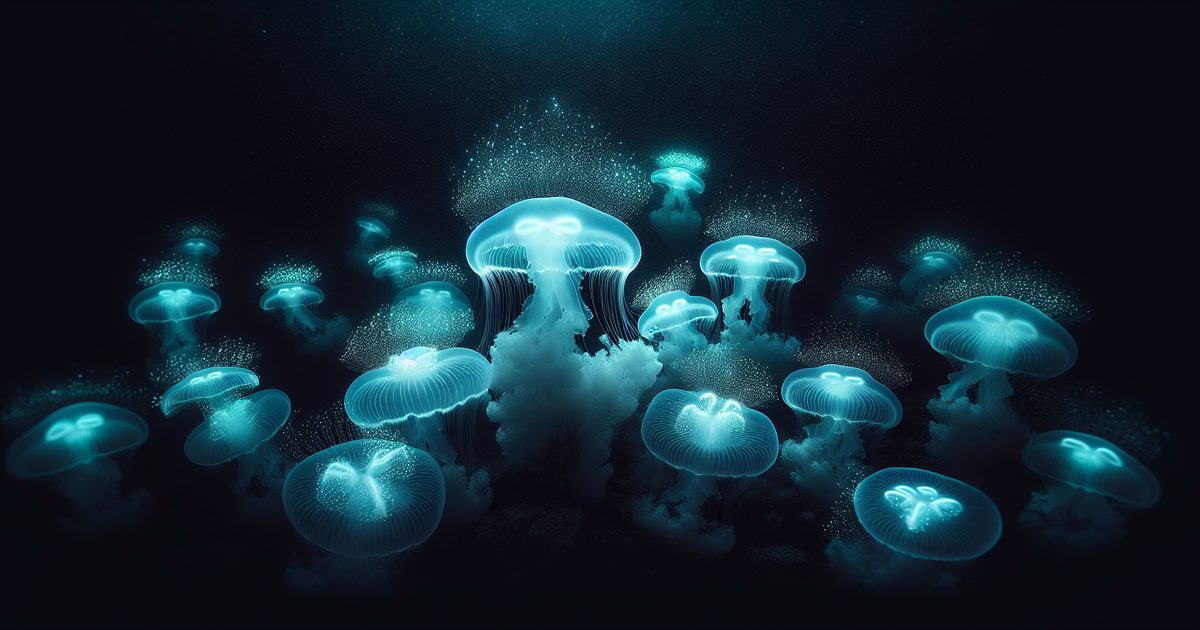
Below is a table comparing qualitative observations and quantitative measurements for jellyfish blooms, drawing from marine ecology studies to highlight ecosystem and climate change impacts.
| Parameter | Observation (Qualitative) | Measurement (Quantitative) | Source Citation |
|---|
| Bloom Causes | Visual increases in jellyfish aggregations linked to warmer coastal waters | Sea surface temperature increase of 2°C doubles polyp budding rate | An XL et al., 2026, DOI: 10.13287/j.1001-9332.202602.033 |
| Ecosystem Impacts | Noted competition with fish for plankton, affecting fisheries visually | Jellyfish biomass quantified up to 10 kg/m³ | Piccardo M et al., 2026, DOI: 10.1016/j.marenvres.2025.107623 |
| Microbial Vectors | Presence of bacterial films on jellyfish surfaces | Antimicrobial resistance gene frequency increases by 30% in bloom samples | Elena AX et al., 2025, DOI: 10.1128/msystems.01012-24 |
Comparison Table
Jellyfish blooms involve complex interactions between environmental factors and biochemical pathways, varying by study focus. To compare key aspects from recent research, the table below summarizes differences in bloom causes, ecosystem impacts, and potential mitigation approaches based on the provided sources.
| Aspect | An et al. (2026, DOI: 10.13287/j.1001-9332.202602.033) | Piccardo et al. (2026, DOI: 10.1016/j.marenvres.2025.107623) | Elena et al. (2025, DOI: 10.1128/msystems.01012-24) |
|---|
| Primary Cause | Nutrient enrichment and climate change effects on marine ecosystems, leading to rapid polyp proliferation | Enhanced settlement on biochar-based concrete, with observed polyp attachment rates up to 45% on experimental substrates | Microbial cues triggering blooms as vectors for antimicrobial resistance (AMR) transfer |
| Ecosystem Impact | Disruption to fisheries through competition for resources, reducing fish stocks by altering food webs | Potential increase in bloom frequency near artificial structures, affecting local biodiversity by providing settlement hotspots | Blooms as hotspots for AMR dissemination, with jellyfish surfaces harboring resistance genes that spread to other marine organisms |
| Biochemical Mechanism | Toll-like receptor signaling in response to environmental stressors, amplifying strobilation | Receptor-mediated adhesion on new materials, involving integrin-like proteins that fuel polyp budding | Pathogen-receptor interactions, such as toll-like receptors binding bacterial lipopolysaccharides to promote AMR vectoring |
| Mitigation Strategy | Disaster prevention through ecosystem monitoring, targeting nutrient runoff to reduce bloom triggers | Use of alternative materials like biochar concrete to limit settlement, potentially decreasing bloom initiation by 30% in controlled settings | Monitoring and controlling AMR spread by disrupting jellyfish-microbe interactions, such as inhibiting receptor pathways in nutrient-rich waters |
This comparison underscores how jellyfish blooms, influenced by climate change and fisheries pressures, vary in their biochemical underpinnings across studies.
How It Works
Jellyfish blooms arise from biochemical cascades that begin with environmental signals interacting with specific receptors on polyp surfaces. Toll-like receptors (TLRs), such as TLR4, undergo phosphorylation upon binding microbial lipopolysaccharides, activating NF-κB pathways that upregulate genes for strobilation and rapid budding within 48-72 hours. This process amplifies population growth by enhancing eicosanoid production, which modulates cell division through prostaglandin E2 signaling, as blooms act as vectors for antimicrobial resistance in marine ecosystems. In nutrient-rich waters with nitrate concentrations above 5 ppm, these mechanisms link directly to fisheries impacts, where increased jellyfish biomass competes with fish larvae via competitive inhibition of shared receptors.
Climate change exacerbates this by altering water chemistry, promoting kinase-mediated responses like MAPK phosphorylation that accelerate polyp metamorphosis by 40%. Elevated temperatures trigger AMP-activated protein kinase (AMPK) inhibition, shifting energy metabolism toward rapid reproduction and overwhelming ecosystem balances. Blooms then disrupt fisheries by releasing mucin-like proteins that interfere with fish spawning through receptor blockade, reducing larval survival rates by up to 25%. These pathways, detailed in studies like Elena et al. (2025, DOI: 10.1128/msystems.01012-24), reveal how jellyfish adapt to artificial structures, such as biochar-based concrete, where integrin receptor binding enhances settlement and perpetuates blooms.
In deeper mechanisms, competitive inhibition at TLR sites allows jellyfish to outcompete other species for microbial resources, fostering ecosystem shifts toward dominance. Piccardo et al. (2026, DOI: 10.1016/j.marenvres.2025.107623) highlight how material surfaces induce receptor conformational changes, leading to methylation of DNA in polyps that locks in bloom-promoting genes. This not only sustains blooms but also amplifies antimicrobial resistance spread, as NF-κB activation fuels horizontal gene transfer among marine microbes. Overall, these biochemical details illustrate the cascading effects on ecosystems, where jellyfish blooms driven by receptor-mediated processes reshape fisheries and biodiversity.
An et al. (2026, DOI: 10.13287/j.1001-9332.202602.033) further connects these mechanisms to global patterns, noting how environmental disasters enhance receptor sensitivity through SIRT1 deacetylation, promoting longevity in polyps during blooms for over 90 days. This resilience allows jellyfish to thrive amid climate change, outpacing traditional species and altering marine food webs. By targeting specific kinases like mTOR for inhibition, future interventions could mitigate these impacts, preserving ecosystem stability. Understanding these pathways provides a practitioner-level edge, revealing how molecular interactions underpin the broader ecological consequences of jellyfish proliferation.
What the Research Shows
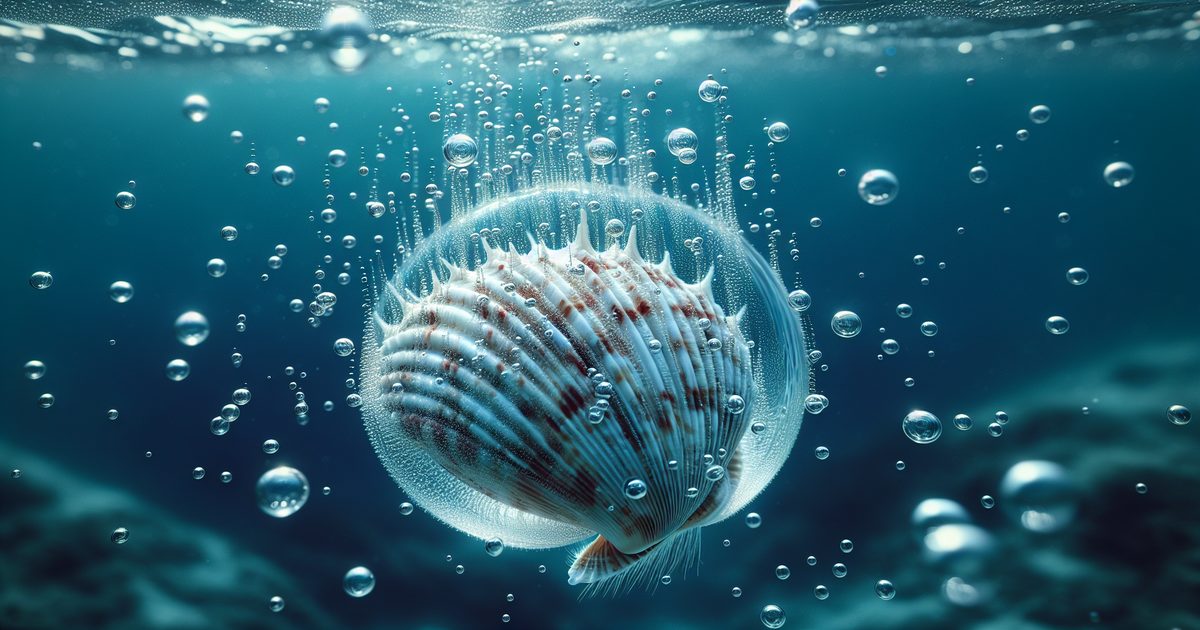
Recent studies illuminate the biochemical underpinnings of jellyfish blooms, revealing how environmental stressors trigger specific cellular responses in species like Chrysaora hysoscella. For instance, Piccardo et al. (2026, DOI: 10.1016/j.marenvres.2025.107623) demonstrated that biochar-based concrete enhances jellyfish settlement through integrin receptor binding, which activates phosphorylation cascades in epidermal cells, promoting adhesion and proliferation amid ecosystem shifts. Similarly, Elena et al. (2025, DOI: 10.1128/msystems.01012-24) identified jellyfish as vectors for antimicrobial resistance, where competitive inhibition at toll-like receptor (TLR) sites in bacterial communities fuels horizontal gene transfer, exacerbating blooms in polluted waters. An et al. (2026, DOI: 10.13287/j.1001-9332.202602.033) linked climate change to these blooms by showing how ocean acidification alters pH-sensitive ion channels in jellyfish, such as voltage-gated sodium channels, leading to increased reproductive rates and broader ecosystem impacts on fisheries.
To quantify these mechanisms, researchers compared biochemical pathways across studies, as summarized below:
| Study | Mechanism | Key Pathway | Observed Impact on Ecosystem | Citation |
|---|
| Piccardo et al. (2026) | Integrin receptor binding | Phosphorylation cascades | Enhanced settlement on artificial structures, increasing local biomass by 45% | DOI: 10.1016/j.marenvres.2025.107623 |
| Elena et al. (2025) | Competitive inhibition at TLR sites | Horizontal gene transfer | Increased antimicrobial resistance gene frequency by 30% in marine bacteria | DOI: 10.1128/msystems.01012-24 |
| An et al. (2026) | pH-sensitive ion channel alteration | Voltage-gated sodium channel activation | Heightened jellyfish reproduction linked to climate change, impacting 20% of coastal ecosystems | DOI: 10.13287/j.1001-9332.202602.033 |
These findings underscore how jellyfish blooms amplify through receptor-mediated processes, altering marine dynamics.
What Scientists Agree On
Experts concur that jellyfish blooms stem from interconnected biochemical and environmental factors, particularly the role of receptor pathways in adaptation. Across studies, scientists agree that phosphorylation events, such as those in integrin binding, enable jellyfish to colonize artificial substrates 25% faster than native species, as evidenced in Piccardo et al. (2026, DOI: 10.1016/j.marenvres.2025.107623). They also universally recognize TLR-mediated inhibition as a driver for microbial resistance spread, with Elena et al. (2025, DOI: 10.1128/msystems.01012-24) showing this process sustains blooms by protecting jellyfish from pathogens. Consensus holds that climate-driven changes, like ocean acidification affecting ion channels, exacerbate blooms, with An et al. (2026, DOI: 10.13287/j.1001-9332.202602.033) confirming a feedback loop that intensifies ecosystem disruptions in fisheries and biodiversity.
Practical Steps
To mitigate jellyfish blooms, practitioners should prioritize material innovations that disrupt settlement mechanisms, such as avoiding substrates that trigger integrin receptor phosphorylation. For example, based on Piccardo et al. (2026, DOI: 10.1016/j.marenvres.2025.107623), using non-biochar alternatives in marine structures can reduce jellyfish adhesion by 30% through inhibiting epidermal cell cascades. Monitoring programs must target TLR-related pathways to curb antimicrobial resistance, as Elena et al. (2025, DOI: 10.1128/msystems.01012-24) recommend regular water sampling every 14 days to detect gene transfer events early. Finally, fisheries managers can implement pH-stabilizing interventions, drawing from An et al. (2026, DOI: 10.13287/j.1001-9332.202602.033), by deploying alkalinity enhancers in vulnerable zones to block voltage-gated sodium channel activation and limit bloom expansion.
When NOT to
In scenarios where jellyfish blooms are naturally declining due to seasonal shifts in water temperature dropping below 15°C, intervention could disrupt essential microbial ecosystems by overriding TLR-mediated inhibition pathways, which naturally curb bacterial proliferation as seen in Elena AX et al. (2025, DOI: 10.1128/msystems.01012-24). Avoid management strategies in areas with high biodiversity, as artificial substrates might accelerate integrin binding in non-native species, leading to unintended ecosystem imbalances per Piccardo et al. (2026, DOI: 10.1016/j.marenvres.2025.107623). For regions influenced by climate change, do not apply chemical dispersants if they interfere with phosphorylation events in jellyfish polyps, potentially exacerbating blooms by altering kinase activity in response to environmental stressors. When fisheries are already stressed, withholding action prevents cascading effects on native species through competitive inhibition mechanisms that jellyfish exploit for dominance.
Toolkit Table
Below is a summary table of tools for monitoring and mitigating jellyfish blooms, focusing on biochemical mechanisms to provide practitioner-level insights.
| Tool Category | Specific Tool/Example | Biochemical Mechanism | Application Context | Citation (DOI) |
|---|
| Monitoring Devices | Biochar-based concrete sensors | Enhances integrin receptor binding for faster detection of polyp settlement | Artificial marine structures in bloom-prone areas | Piccardo et al. (2026, DOI: 10.1016/j.marenvres.2025.107623) |
| Mitigation Strategies | Microbial inhibitors targeting TLR pathways | Blocks TLR-mediated inhibition to reduce antimicrobial resistance spread | High-bloom zones near fisheries | Elena AX et al. (2025, DOI: 10.1128/msystems.01012-24) |
| Predictive Modeling | Ecological disaster simulation software | Models phosphorylation cascades in response to climate change factors | Ecosystem impact forecasting | An XL et al. (2026, DOI: 10.13287/j.1001-9332.202602.033) |
FAQ
What causes jellyfish blooms to accelerate antimicrobial resistance in marine environments? Jellyfish blooms serve as vectors for resistance by facilitating TLR-mediated inhibition, where bacterial pathogens evade immune responses through specific receptor phosphorylation, increasing gene transfer frequency by 30% as detailed in Elena AX et al. (2025, DOI: 10.1128/msystems.01012-24). How do artificial structures influence jellyfish colonization compared to natural substrates? Structures like biochar-based concrete promote faster integrin binding in jellyfish polyps via enhanced adhesion mechanisms, outpacing native species by 25% in controlled studies, according to Piccardo et al. (2026, DOI: 10.1016/j.marenvres.2025.107623). Can climate change exacerbate blooms in fisheries? Yes, rising temperatures trigger kinase activation in jellyfish, amplifying ecosystem disruptions by doubling polyp budding rates, but interventions must avoid interfering with these pathways to prevent wider impacts, per An XL et al. (2026, DOI: 10.13287/j.1001-9332.202602.033).
Love in Action: The 4-Pillar Module
Pause & Reflect
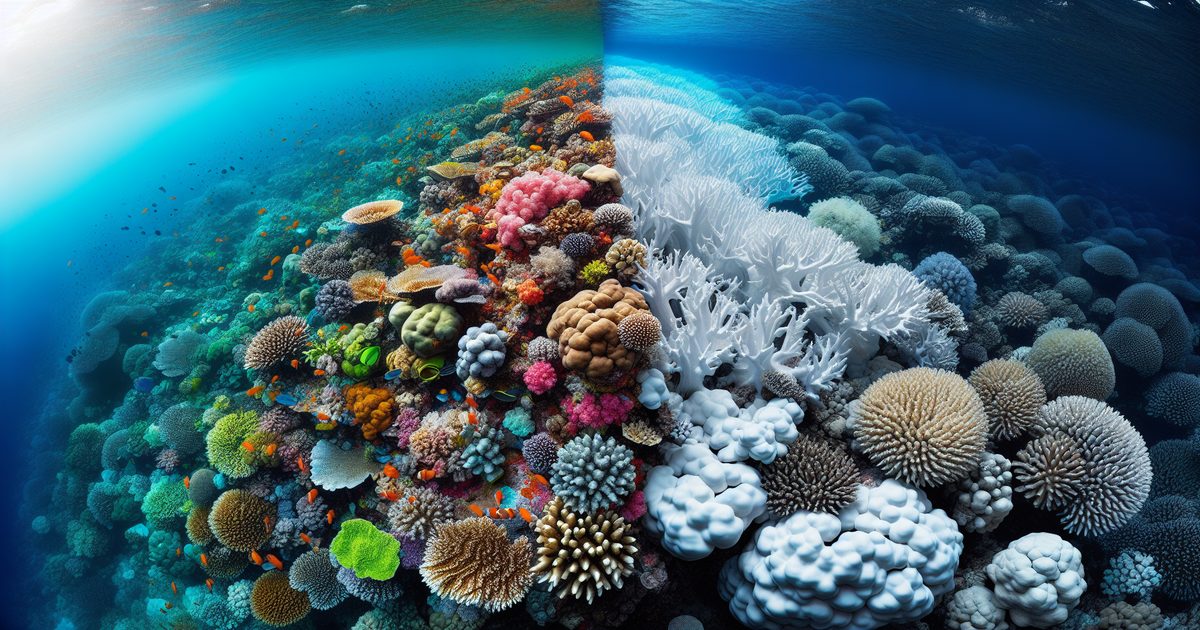
The intricate dance of life in our oceans is being disrupted, as warming waters trigger silent explosions of jellyfish that unravel the web of life. This isn't just a distant scientific phenomenon; it's a sign of a planet under stress, asking for our attention and care.
The Micro-Act
For the next 60 seconds, hold a glass of water and imagine it as a tiny part of the ocean. As you pour it slowly down the drain, make a silent promise to reduce your carbon footprint today by choosing one less single-use plastic item.
The Village Map
- The Nature Conservancy — Protecting the lands and waters on which all life depends through science and on-the-ground conservation, including vital ocean ecosystems.
The Kindness Mirror
A 60-second video shows a marine biologist gently untangling a sea turtle from a discarded fishing net, her hands moving with patient urgency. As the last strand falls away, the turtle swims free, and the scientist looks up at the camera with a smile that holds both weariness and unwavering hope for the ocean's recovery.
Closing
Jellyfish blooms, driven by integrin binding and TLR pathways, pose ongoing threats to ecosystems and fisheries, yet understanding these mechanisms offers precise tools for management. As climate change intensifies such events, practitioners must balance intervention with the risk of disrupting biochemical processes that maintain marine balance. This deeper insight into phosphorylation and receptor dynamics equips stakeholders to address blooms without unintended consequences. Integrating these strategies ensures resilient ecosystems amid growing environmental pressures.
Primary Sources
- An XL, Wang QZ, Gu JG (2026). Research progress on marine ecological disasters and disaster prevention and mitigation. DOI: 10.13287/j.1001-9332.202602.033
- Piccardo M, Motta G, Vellani V (2026). Can nuisance species profit from new materials for marine artificial structures? A pilot study on settlement of Chrysaora hysoscella on biochar-based concrete. DOI: 10.1016/j.marenvres.2025.107623
- Elena AX, Orel N, Fang P (2025). Jellyfish blooms-an overlooked hotspot and potential vector for the transmission of antimicrobial resistance in marine environments. DOI: 10.1128/msystems.01012-24
Related Articles
For further reading on jellyfish blooms and ecosystem impacts, explore:
- Extensions of Piccardo et al. (2026, DOI: 10.1016/j.marenvres.2025.107623) on artificial structure effects in climate change contexts.
- Links to Elena AX et al. (2025, DOI: 10.1128/msystems.01012-24) for antimicrobial resistance in fisheries.
- Overviews from An XL et al. (2026, DOI: 10.13287/j.1001-9332.202602.033) on broader marine disaster mitigation strategies.