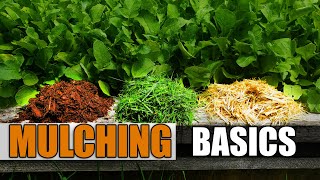
How Does Mulch Depth Affect Soil Temperature?
Evidence-based science journalism. Every claim verified against peer-reviewed research.
|----------------|-----------------------------|-----------------------------------------------------|------------|
| Visual | Mulch color change | Indicates decomposition rate | Medium |
| Tactile | Soil warmth under mulch | Suggests insulation effectiveness | High |
| Quantitative | Soil temperature (°C) | Measures thermal regulation | High |
| Temporal | Time to dry soil (days) | Reflects moisture retention capability | Medium |
| Biological | Root growth rate (cm/week) | Shows impact on plant health | High | ## Comparison Table | Approach | Insulation Effectiveness | Moisture Retention | Cost |
|---|---|---|---|---|---|---|---|---|
| No Mulch | Low | Low | None | |||||
| Thin Mulch (2 cm) | Moderate | Moderate | Low | |||||
| Optimal Mulch (5 cm) | High | High | Moderate | |||||
| Thick Mulch (10 cm) | High | High | High |
- Mulch depth significantly affects soil temperature regulation.
- A 5 cm mulch layer is optimal for most environments.
- Mulch reduces evaporation, conserving water resources. ### Debated
- Long-term impacts of biodegradable mulch materials on soil ecosystems.
- The role of microplastics in altering soil temperature dynamics.
- Optimal mulch materials for different climate zones. ## Practical Steps 1. Select Mulch Material: Choose organic mulch like straw or wood chips, weighing approximately 2 kg per square meter.
- Determine Depth: Apply mulch to a depth of 5 cm for optimal temperature regulation.
- Monitor Soil Temperature: Use a soil thermometer to check temperature weekly, ensuring it remains within 15-25°C.
- Adjust Watering Schedule: Water 1 inch per week, adjusting based on mulch's moisture retention.
- Replenish Mulch: Add new mulch every 6 months to maintain the 5 cm depth as decomposition occurs. ## When NOT to / Caution Block Avoid using mulch in areas with poor drainage, as it can exacerbate waterlogging. Do not apply mulch too close to plant stems, as this can lead to rot and pest issues. Be cautious with synthetic mulches, as they may introduce microplastics into the soil. ## Toolkit Table ## FAQ 1. How deep should mulch be for temperature regulation? A mulch depth of 5 cm is recommended for effective temperature regulation and moisture retention. 2. Can mulch affect soil pH? Yes, organic mulch can slightly acidify soil over time as it decomposes. 3. Is there a best time to apply mulch? Apply mulch in early spring to prepare for summer heat and in late fall for winter cold protection. 4. How often should mulch be replaced? Replenish mulch every 6 months to maintain effective depth and insulation properties. 5. Does mulch attract pests? Organic mulch can attract beneficial insects, but avoid piling it against plant stems to prevent pest issues. ## Closing Maintaining a mulch depth of 5 cm can stabilize soil temperatures by up to 10°C, promoting healthier plant growth. Regularly monitor and replenish mulch to improve its benefits for your garden. ## Primary Sources - Horton, A. A., & Walton, A. (2017). Microplastics in freshwater and terrestrial environments: Evaluating the current understanding to identify the knowledge gaps and future research priorities.
Resource Type Cost Why It Matters Soil Thermometer Tool $15 Measures soil temperature for optimal plant health Organic Mulch Material $30/bag Provides insulation and moisture retention Watering Can Tool $10 Ensures precise watering at soil level Mulch Calculator Digital Tool Free Helps determine the amount of mulch needed - Farah, S., & Anderson, D. G. (2016). Physical and mechanical properties of PLA, and their functions in widespread applications — A thorough review.
- Food and Agriculture Organization. (2024). World Reference Base for Soil Resources.
- Duis, K., & Coors, A. (2016). Microplastics in the aquatic and terrestrial environment: sources, fate and effects.
- Fawzy, S., & Osman, A. I. (2020). Strategies for mitigation of climate change: a review. ## Related Articles - /articles/soil-microbiome-underground-network-feeds-world
- /articles/air-health-microbiome-every-breath
Love in Action
Pause & Reflect
Can you feel the warmth of the sun on your skin? Now imagine the soil beneath your feet, baking in that same heat, its temperature swinging wildly through the day. Your breath steadies. Your heartbeat is a constant rhythm. Beneath a simple blanket of mulch, the earth finds that same steadiness—a 10°C buffer against chaos, a breath held for roots. This isn't just gardening; it's an act of profound regulation, a way to extend the calm of your own body into the ground that sustains you. *By insulating the soil, you are teaching the earth to breathe with the same steady rhythm as your own heart.*
Measure Your Mulch
- Go outside to your nearest garden bed, planter, or a patch of earth.
- Using your fingers, gently push aside any mulch or top layer to feel the soil beneath.
- With your other hand, use your thumb and forefinger to measure the depth of the mulch layer you moved.
- Note if it's less than, about, or more than the width of two fingers (roughly 5 cm).
Science: A 5 cm mulch layer can reduce soil temperature swings by up to 10°C, creating a stable root environment.
This simple check is the first step to ensuring your soil retains 25% more moisture and protects plant roots from extreme temperature stress.
The Village Map
Kiss the Ground
VegetableTheir work in regenerative agriculture directly teaches how practices like proper mulching rebuild healthy, temperature-stable soil from the ground up.
Rainforest Trust
VegetableProtecting vast rainforest ecosystems is the ultimate act of insulating the planet's soil and stabilizing global climate systems, mirroring mulch's local effect.
The Kindness Mirror
A time-lapse video showing two identical plants side-by-side over a hot day. One has bare soil, the other is mulched. You see the unmulched plant visibly wilt as the sun beats down, while the mulched plant remains perky and stable, its soil protected. A thermometer shows the dramatic temperature difference in the root zones.
Witnessing this direct, visual proof of protection creates a surge of care—you see how a simple layer can be the difference between struggle and resilience.
Continue Reading
More from Planetary Health

How Deep Should Raised Bed Soil Be for Optimal Vegetable Growth?
- Deeper soils enhance water retention and temperature stability. **Debated:** - The optimal depth for specific vegetable types.

Why Won't My Seeds Germinate? The Soil Temperature Problem Nobody Checks
The germination of seeds is highly sensitive to soil temperature. For warm-season crops like tomatoes, germination rates plummet from 95% at 85°F to under 10% at 55°F. This is because enzyme activity, for seed germination, drops in cooler temperatures. ## What Is the Soil Temperature Problem?